01
Initial Research
Gathering diverse sources on ingredients, methods, and home kitchen practices before drafting.
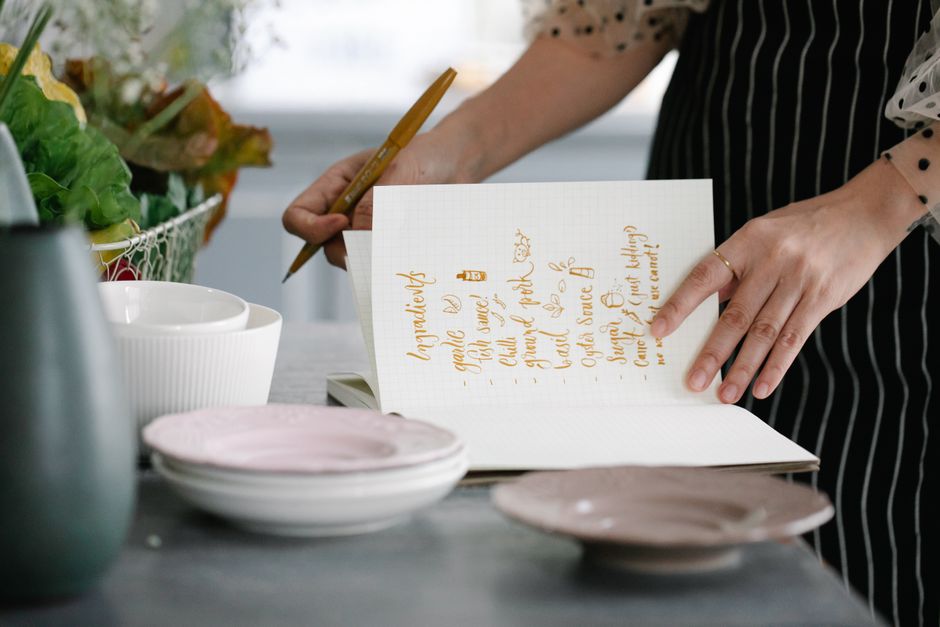
The content that follows focuses on practical methods that have been tried and tested in real kitchen settings. Expect examinations of ingredient science—how different components interact during cooking—as well as established kitchen practices and even the basics, since they really do matter. Harvest Table Publishing shares a collection of notes collected over time. None of it is intended as a set-in-stone directive; all observations remain a starting point. Above all, we simply hope to shed a little light.
Gathering diverse sources on ingredients, methods, and home kitchen practices before drafting.
Repeated test preparations to observe how techniques behave under varied conditions and tools.
Examining compositional and functional properties of ingredients by consulting food science references.
Translating tested observations into documented kitchen guidelines for consistent home application.
Harvest Table’s blog weaves culinary techniques, ingredient science, and kitchen standards into each article. This material offers an informational framework to understand cooking processes — not prescriptive advice. Since outcomes depend on variables like equipment, ingredients, and individual skill, we emphasize methodology and transparency over guarantees. Use this knowledge to inform your own kitchen decisions.
I refer to the blog's detailed explainers on cooking techniques. Knowing why a method works helps me adapt reliably, though final outcomes always vary based on equipment and ingredients.
As a home cook, I value the clear discussions of ingredient science. The foundational information helps me make more deliberate choices, but I see different results each time.
The explanations of kitchen standards provide a practical framework for testing recipes. They consistently help me structure my trials, while actual results still depend on many conditions.
Harvest Table is built on a commitment to neutral, method-based culinary education. The techniques explored across these pages—from fundamental knife work to the science of emulsification and the standards behind a well-organized pantry—are presented as informational frameworks rather than directives. Every kitchen is different, and factors such as equipment, ingredient sourcing, altitude, and personal preference can meaningfully affect results. These materials describe what tested methods involve, how certain reactions occur, and why traditional kitchen standards exist, but they do not promise or predict any specific outcome in your kitchen. Readers are encouraged to treat each explanation as a starting point for their own thinking, adapting ideas to their unique circumstances. The goal is transparent, observational instruction that supports everyday cooking decisions without replacing experience, taste, or situational awareness. If it ever enters your kitchen, we trust your own eyes, hands, and judgment as the final tools.