Five Essential Spices for Building Flavor
Spices are the foundation of flavor in many cuisines, offering a wide range of aromas, tastes, and colors that can transform simple ingredients into complex dishes. For home cooks, understanding a core set of spices and how they interact with different foods can expand everyday cooking possibilities. This article examines five widely used spices—cumin, paprika, turmeric, coriander, and cinnamon—and explores how they contribute to building flavor.
Each spice brings its own character, and knowing how to store and pair them can help maintain their quality and enhance their impact in the kitchen. Whether you are new to cooking or looking to refine your spice repertoire, the information here provides a practical overview. The focus is on general principles and contextual suggestions rather than rigid rules, allowing for flexibility based on personal taste and available ingredients.
In the following sections, we will look at each spice individually, discussing its typical flavor profile, common culinary uses, and considerations for storage and pairing. The goal is to offer a useful reference that supports experimentation and informed decision-making in home cooking.
Understanding the Role of Spices in Cooking
Spices have been used for centuries to season, preserve, and color food. They come from various plant parts, including seeds, bark, roots, and fruits, and their flavors can range from warm and sweet to pungent and earthy. When combined, spices can create layered, nuanced tastes that define regional cuisines. In home cooking, a small collection of versatile spices can cover a wide array of dishes, from soups and stews to baked goods and beverages.
The way spices are prepared—whether whole or ground, toasted or raw—also affects their flavor. Whole spices generally retain their potency longer and can be ground fresh as needed. Ground spices are convenient but may lose their aroma more quickly. Toasting whole spices in a dry pan before grinding can intensify their oils and add depth. These methods are not mandatory, but they offer options for those interested in maximizing flavor.
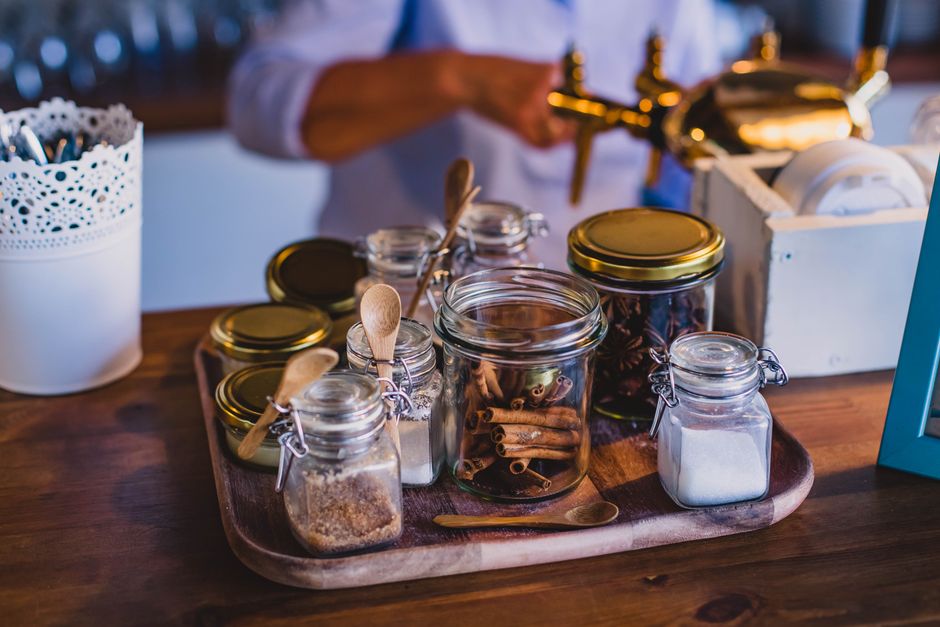
Storage is another critical factor. Spices should be kept in airtight containers away from heat, light, and moisture. A cool, dark pantry is ideal. While spices do not spoil in the same way as perishable foods, they gradually lose their potency over time. Regularly checking and replacing older spices can help maintain a vibrant flavor profile in your cooking.
Cumin: Warm, Earthy, and Versatile
Cumin is a key spice in many cuisines, including Mexican, Indian, Middle Eastern, and North African. Its seeds are small, oblong, and brown, with a warm, earthy, and slightly bitter flavor. When ground, cumin adds a distinctive depth to dishes. It is often used in spice blends like chili powder, garam masala, and curry powders.
In the kitchen, cumin pairs well with coriander, paprika, and cinnamon. It can enhance the flavor of beans, lentils, rice, meats, and vegetables. Toasting cumin seeds before grinding can bring out a nuttier taste. Ground cumin is convenient for quick addition to recipes, but it is sensitive to heat and light, so proper storage is important. Keeping it in a tightly sealed jar in a dark place helps preserve its aroma.
When using cumin, start with a small amount and adjust to taste. Its strong flavor can dominate if overused, but when balanced with other spices, it contributes a satisfying warmth. It works well in both savory and some sweet applications, such as certain baked goods and spice blends for coffee or chocolate.
Storage Tips for Cumin
- Store whole cumin seeds in an airtight container in a cool, dark place; they can last up to a year or more.
- Ground cumin should be kept in a small jar and used within a few months for best flavor.
- Avoid storing cumin near the stove or in direct sunlight, as heat and light accelerate flavor loss.
Paprika: Colorful and Mildly Sweet
Paprika is made from ground dried peppers, typically sweet or hot varieties. Its flavor can range from mild and sweet to smoky or spicy, depending on the peppers used and the processing method. Hungarian and Spanish paprikas are well known, with Spanish smoked paprika (pimentón) offering a distinct smoky aroma. Paprika is prized for its vibrant red color and its ability to add warmth without overwhelming heat.
In cooking, paprika is often used as a finishing spice or in dishes where its color and mild flavor are desired. It is common in stews, soups, deviled eggs, and spice rubs. When paired with cumin, it forms the base of many chili powders. It also complements coriander, turmeric, and cinnamon in various blends. Because paprika is relatively delicate, it can burn easily if exposed to high heat for too long; adding it toward the end of cooking or to a liquid base can help preserve its flavor and color.
For storage, keep paprika in an airtight container away from light and heat. Its bright color may fade over time, indicating loss of potency. Using it within six months to a year is generally recommended for optimal quality. Smoked paprika tends to have a shorter shelf life than sweet paprika, so it is best used more promptly.
Turmeric: Earthy and Golden
Turmeric is a rhizome related to ginger, known for its bright yellow-orange color and earthy, slightly bitter flavor. It is a staple in South Asian and Middle Eastern cuisines and is often used in curry powders, mustards, and rice dishes. Beyond flavor, turmeric is valued for its color, which can tint foods and fabrics. Its active compound, curcumin, has been studied for various potential properties, but culinary use focuses on its taste and appearance.
When cooking with turmeric, it pairs well with cumin, coriander, and cinnamon. It can be added to soups, stews, lentils, and vegetable dishes. Because of its strong color, a little goes a long way; using too much can make a dish bitter and overly yellow. It is often bloomed in oil or fat to enhance its flavor and color, a technique common in Indian cooking. Turmeric is also used in some beverages, such as golden milk.
Storage of turmeric follows the same principles as other ground spices: keep it in a sealed container away from light, heat, and moisture. Whole turmeric root can be stored in the refrigerator for longer periods and grated as needed. Ground turmeric should be replaced every six to twelve months for best flavor.
Pairing Turmeric
- Combine with cumin and coriander for a classic curry blend.
- Add a pinch to rice or grains for color and subtle flavor.
- Mix with cinnamon in warm beverages or baked goods for a warm, earthy note.
Coriander: Citrusy and Floral
Coriander is the seed of the cilantro plant, but its flavor is entirely different from the leaves. The seeds are small, round, and tan, with a warm, citrusy, and slightly floral taste. They are used whole or ground in many cuisines, including Indian, Middle Eastern, Latin American, and European. Coriander is a common component of spice blends like garam masala, curry powder, and harissa.
In the kitchen, coriander pairs exceptionally well with cumin, as their flavors complement each other. It also works with paprika, turmeric, and cinnamon. It can be used in both savory and sweet dishes, such as pickles, sausages, stews, and pastries. Toasting coriander seeds before grinding enhances their citrus notes. Ground coriander is convenient but loses its aroma relatively quickly, so buying whole seeds and grinding them as needed can be advantageous.
For storage, keep coriander seeds in an airtight container in a cool, dark place. They can last for several years, though their flavor may gradually diminish. Ground coriander should be used within six months for optimal taste. As with all spices, avoid storing near heat sources.
Cinnamon: Sweet and Warming
Cinnamon is a spice obtained from the inner bark of several tree species, most commonly Cinnamomum verum (true cinnamon) and Cinnamomum cassia. True cinnamon has a delicate, sweet, and floral flavor, while cassia is stronger, spicier, and more pungent. In the United States, cassia is often labeled simply as cinnamon. Both types are used in sweet and savory dishes around the world.
In cooking, cinnamon is perhaps best known for its role in baked goods, desserts, and beverages, but it also features in savory dishes such as Moroccan tagines, Indian curries, and Mexican moles. It pairs well with cumin, coriander, and paprika, adding a warm sweetness that can balance acidity and heat. When using cinnamon, a little can go a long way, especially with cassia, which has a more intense flavor.
Storage of cinnamon depends on the form. Cinnamon sticks can last for several years if kept in an airtight container away from light and heat. Ground cinnamon should be used within six months to a year for best flavor. It is sensitive to moisture, so keep it dry. Whole sticks can be grated or broken as needed, while ground cinnamon is convenient for baking and spice blends.
Spices are not just flavorings; they are a way to connect with culinary traditions and to personalize dishes according to one’s taste.
Storing and Pairing Spices for Home Cooks
Proper storage and thoughtful pairing are essential for getting the most out of your spices. As mentioned, store spices in airtight containers in a cool, dark, and dry place. Avoid keeping them near the stove, oven, or dishwasher, where heat and moisture can degrade them. Whole spices generally last longer than ground, so consider buying whole and grinding as needed. Label containers with the purchase date to help track freshness.
When pairing spices, there are no strict rules, but some combinations are classic for a reason. Cumin and coriander are a natural pair, often used together in many cuisines. Paprika and cumin form the backbone of chili powder. Turmeric and cumin are common in curry blends. Cinnamon pairs well with cumin in savory dishes and with coriander in sweet ones. Experimenting with small amounts can help you discover new favorite combinations.
Remember that spices contribute to flavor building in layers. Adding them at different stages of cooking—some at the beginning to infuse oil, others near the end to preserve aroma—can create more complex results. Taste as you go and adjust according to your preferences. With a little practice, you can develop an intuitive sense of how these five spices can enhance your everyday cooking.